Part 2
Brave the World
2012~2016
The Parallel Universe of Hsieh Chun-Te
Hseih Chun-Te: The Other Is Just an Other, Simple as That
Hsieh Chun-Te would be a rare case because he has never stayed in Europe or America for a long time. He has demonstrated remarkable attention to the internal evolution of Taiwan, especially the connection between “the self” and history. He told us that the treasure lay under our feet.
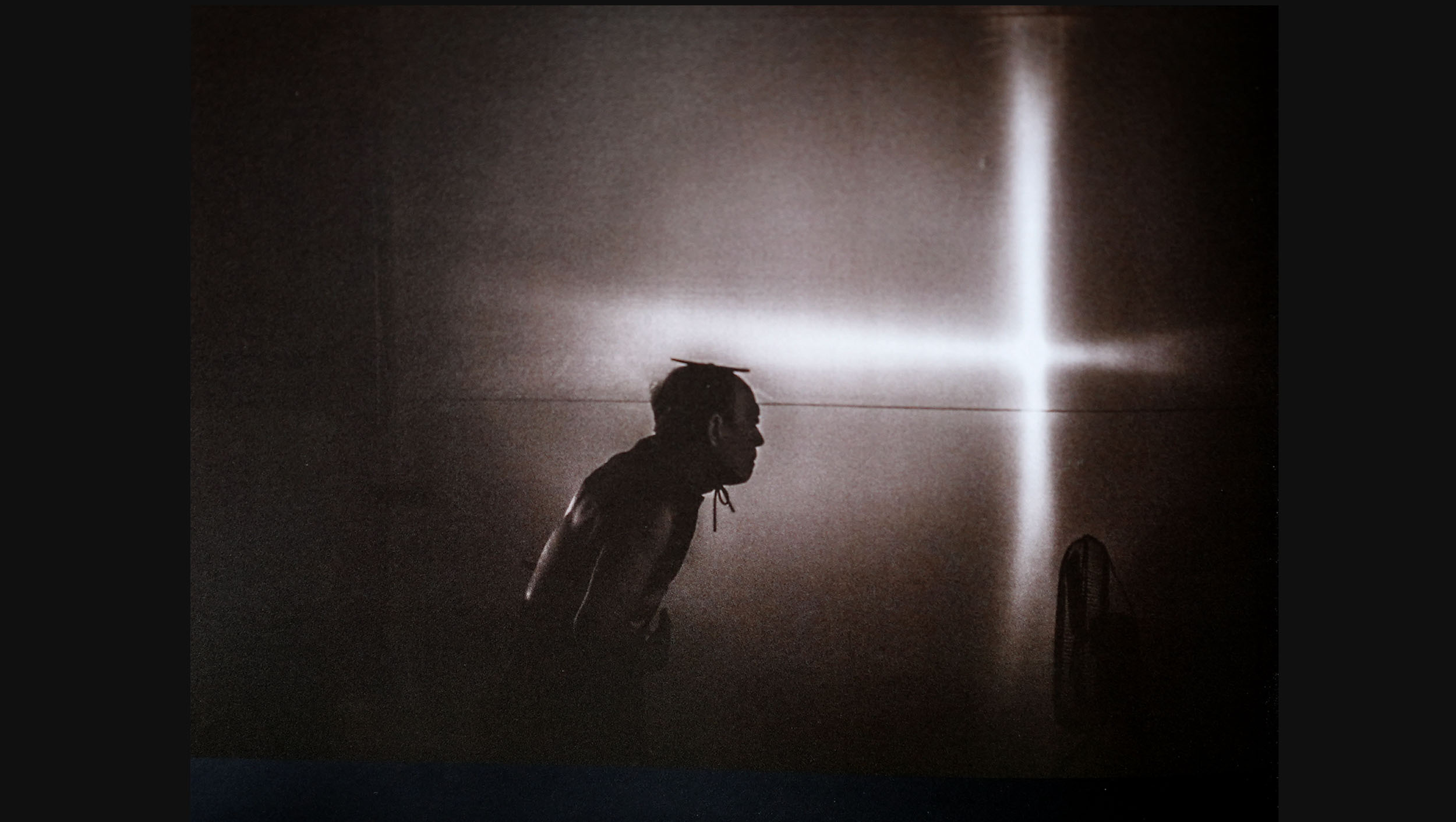
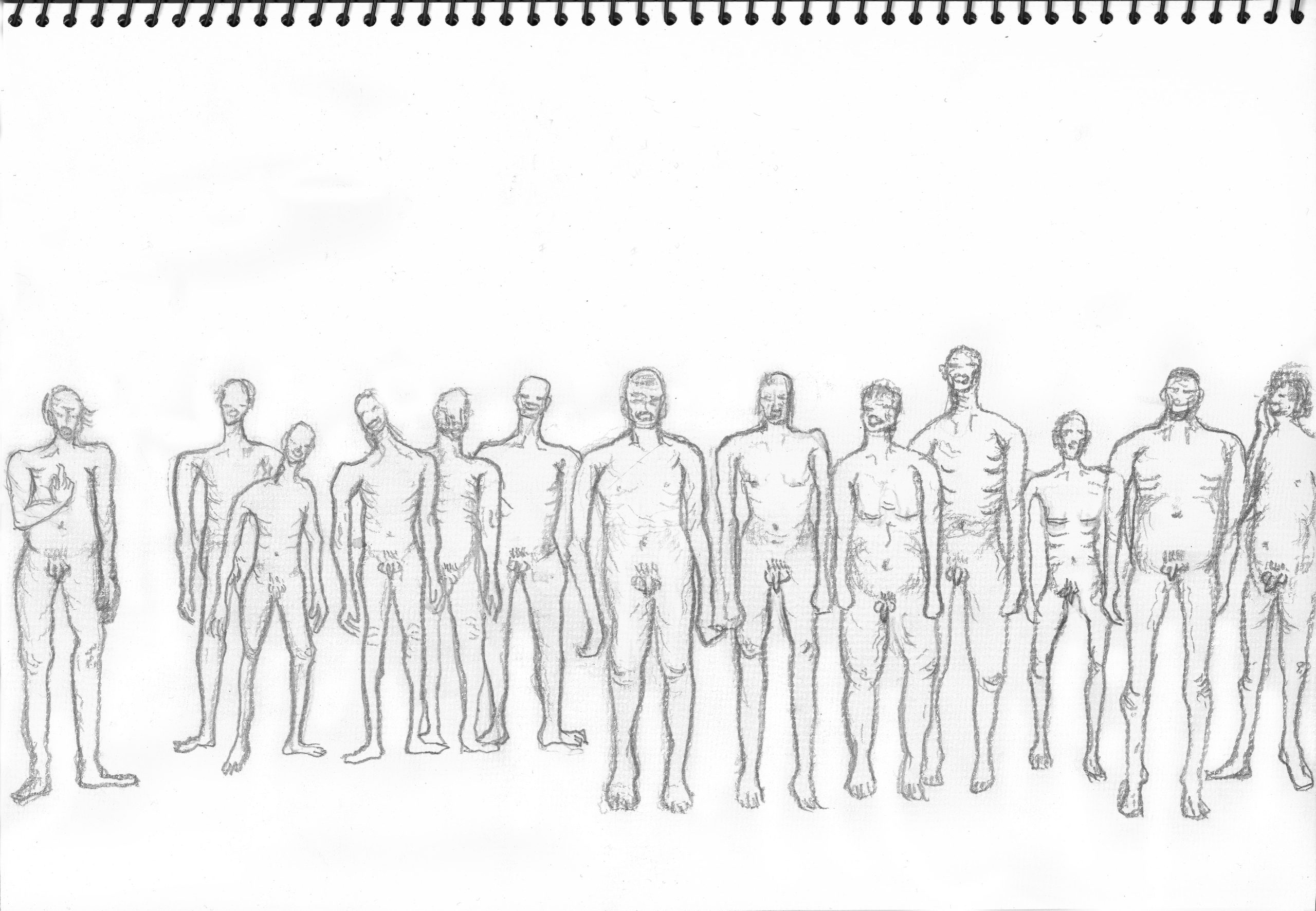
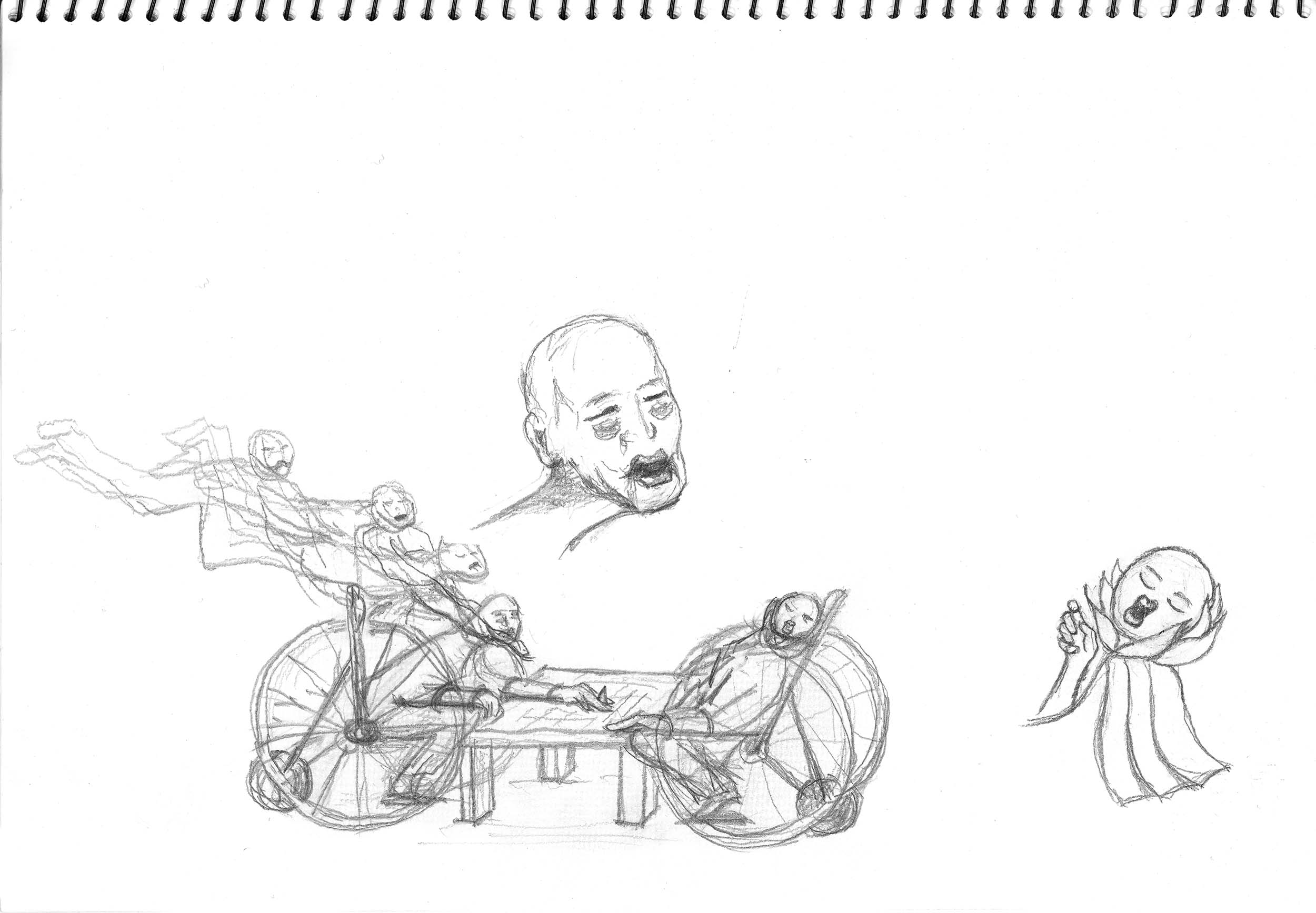
Recently, his solo exhibition, Parallel Universe, at the MOCA, Taipei, discussed the Alzheimer disease in the same spirit. Hsieh stated that the hardest thing to bear was not the disease itself but the break it caused between the patient and those who were closest to him or her. He sought out the people who shouldered the responsibility of looking after the patients; one might call them collateral victims. We would not forget the image of Gin Oy, a marathon runner that split the air, who looked afloat when running through a bridge. When Hsieh interviewed Chen Shao-Wei, he admired his determination and his will to emancipate, and invited people to liberate themselves from the constraints that suppressed life. When filming Tan Ai-Chen, he wanted to talk to us about necessary detachment, to maintain a certain distance to reduce hindrance. He said that we had to change our position, letting go the roles of being a son, a daughter, a husband, a wife, and assuming the role of a kind friend. The important thing was to talk, to create dialogues, to express, and of course, to listen. Nonetheless, the body remained as the safeguard of the spirit. The parallel universe was so beautiful, light, and fun; it invited us to face it with ease.
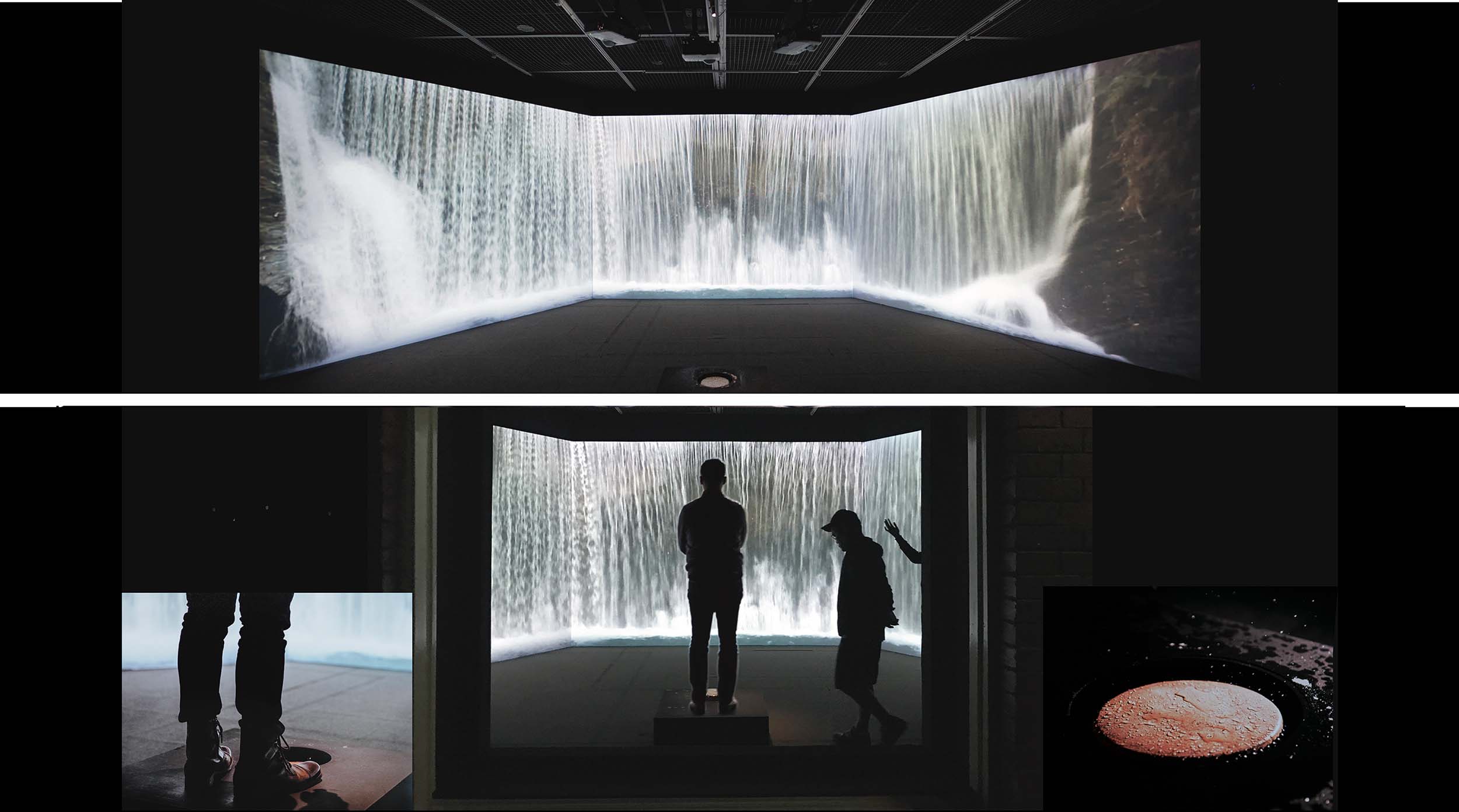
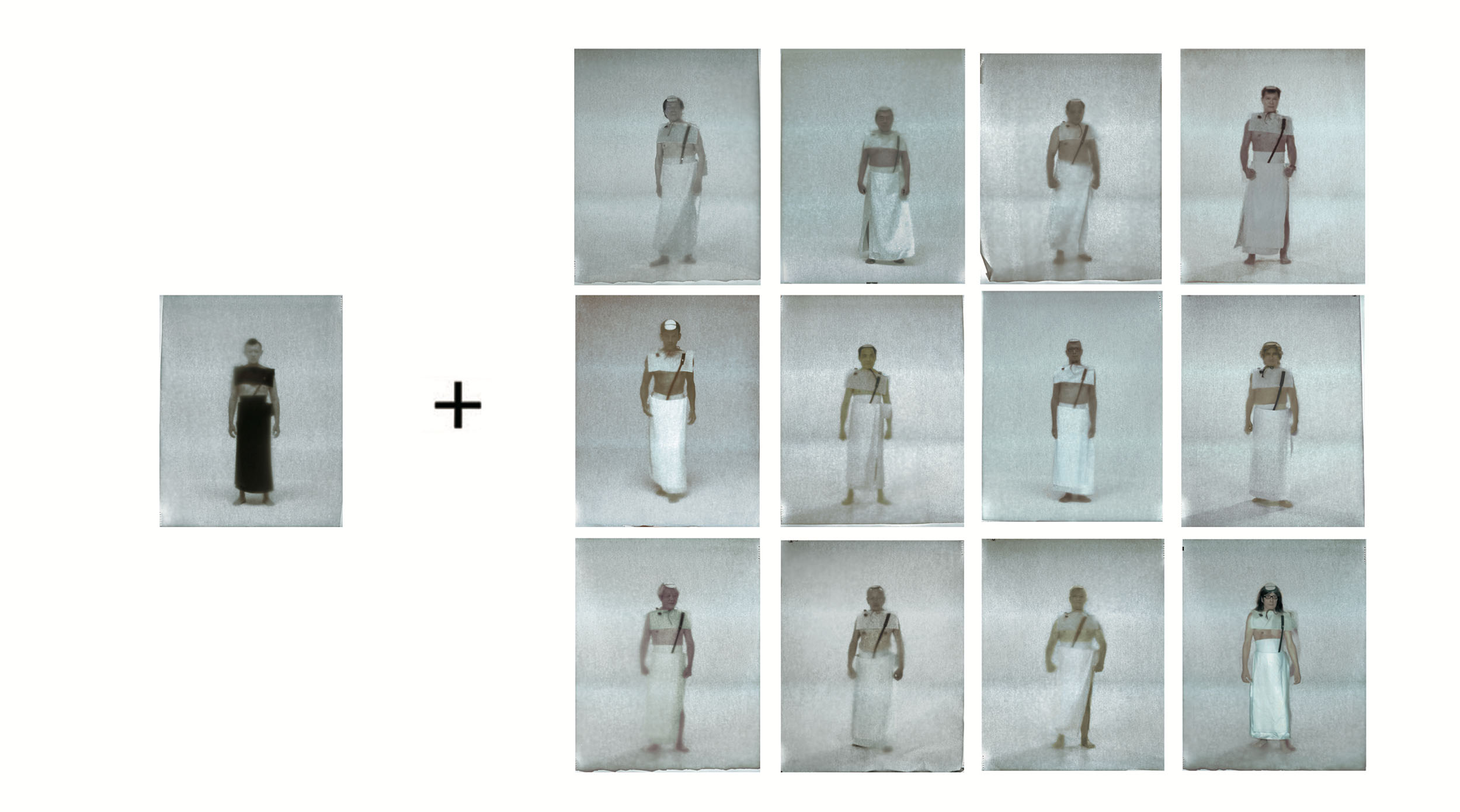
The notables in the city also removed their nice attire and joined the parallel universe, and became more enriched and rejuvenated while forgetting their worries about the future because of the surprising fun. The cascade was not bound by gravity; it drew us without casting us into the depth of the earth but projecting us into the sky and its splashing water. The regular sound of falling water drops did not mark the drama of the passed time but the retrieved joy of lightness.
The other is just an other, simple as that. There is no need to make a drama out of it.
Monique Sicard
Philosopher and historian of photography
Researcher at CNRS, in charge “Genesis of Visual Arts / Photographic”
Institute of Modern Texts and Manuscripts (Genesis text and shapes), CNRS / ENS, Paris.
Responsible for the seminar “Photo-graphs, ” Ecole Normale Supérieure, Ecole des Hautes Etudes in Social Sciences, Paris.
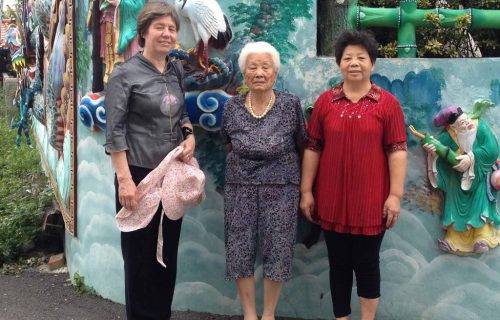
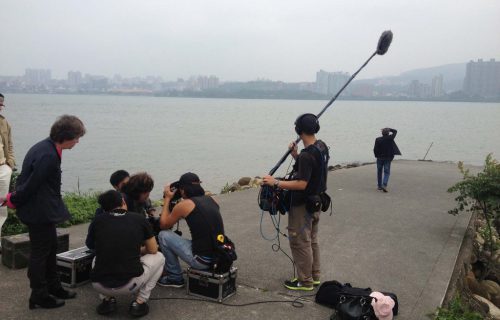
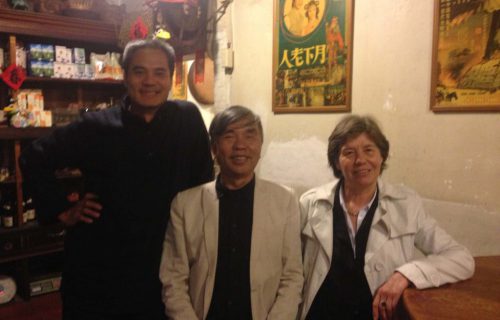
An immersive spatial exhibition
Interview with the Family of an Alzheimer’s Patient
When Hsieh interviewed Chen Shao-Wei, he admired his determination and his will to emancipate, and invited people to liberate themselves from the constraints that suppressed life。
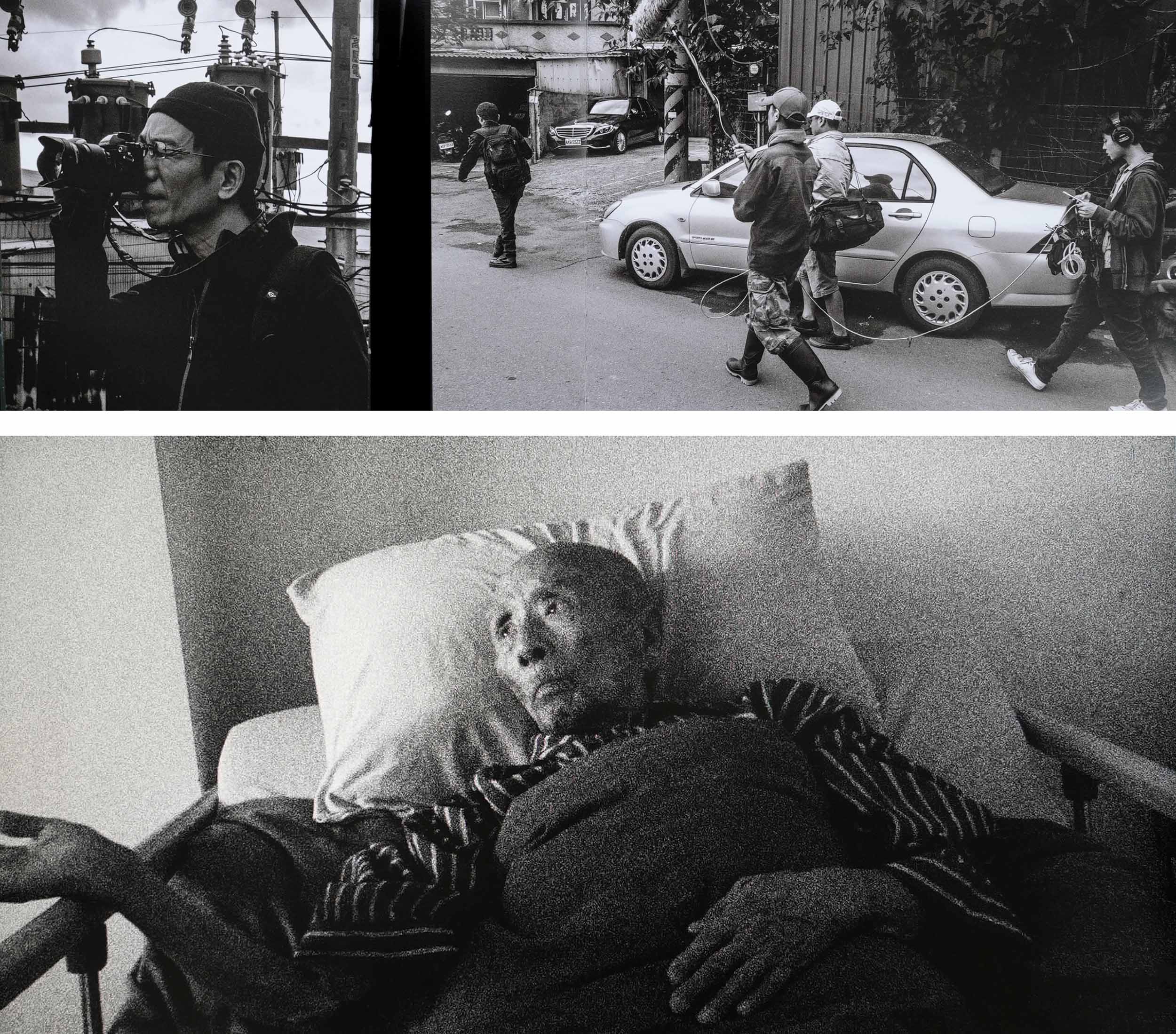
Interview with the Family of an Alzheimer’s Patient
When filming Tan Ai-Chen, he wanted to talk to us about necessary detachment, to maintain a certain distance to reduce hindrancee said that we had to change our position, letting go the roles of being a son, a daughter, a husband, a wife, and assuming the role of a kind friend.
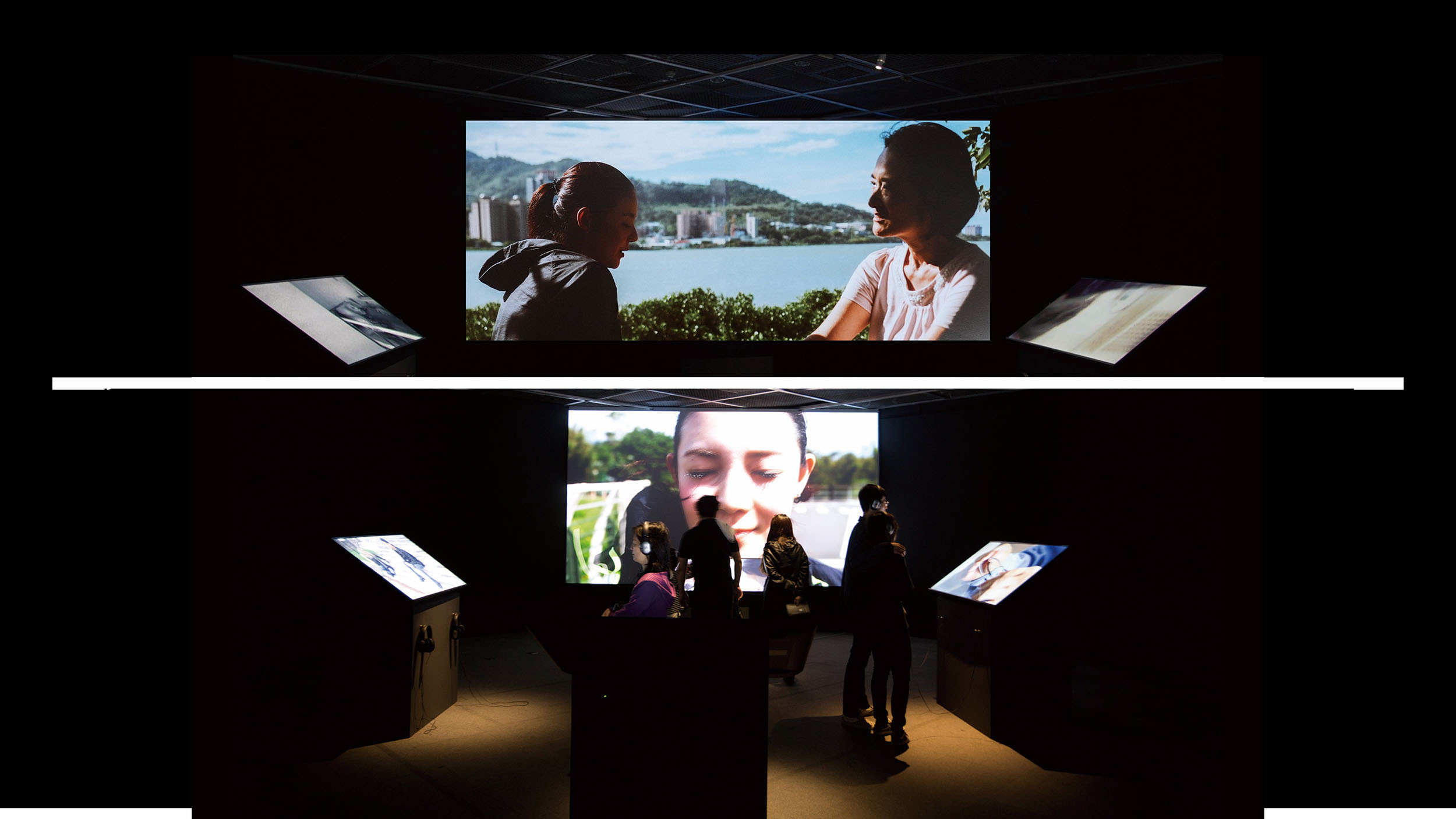
Antigravity
The cascade was not bound by gravity; it drew us without casting us into the depth of the earth but projecting us into the sky and its splashing water. The regular sound of falling water drops did not mark the drama of the passed time but the retrieved joy of lightness.
The other is just an other, simple as that. There is no need to make a drama out of it.