History
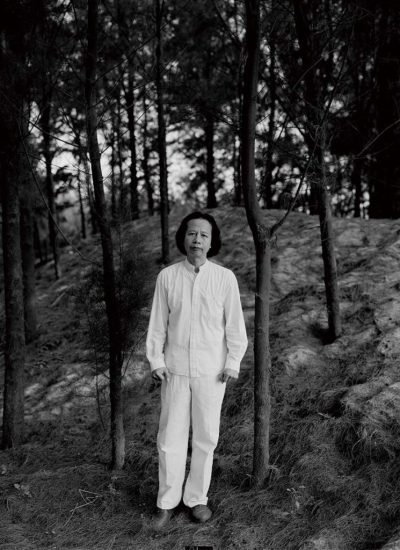
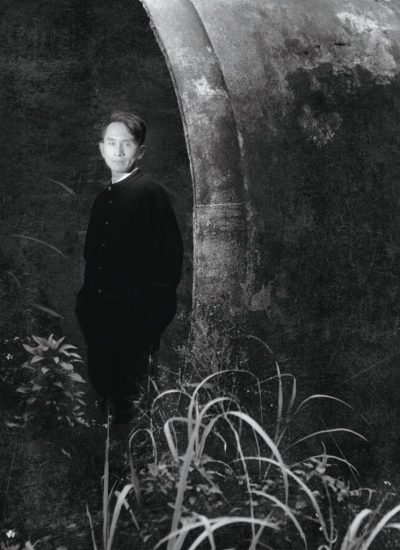
Hsieh Chun-Te
A Taiwanese Contemporary Artist
Crossing Boundaries Through Shifting Times and Changing Societies
Born in 1949 in a rural village in Taichung, Taiwan, Hsieh Chun-Te left vocational high school at sixteen, determined to become a painter. What began as street sketching to hone his drawing skills led him unexpectedly into the world of photography. At seventeen, his father sold farmland to purchase a camera and a 16mm movie camera for him. With these tools, Hsieh left home for Taipei.
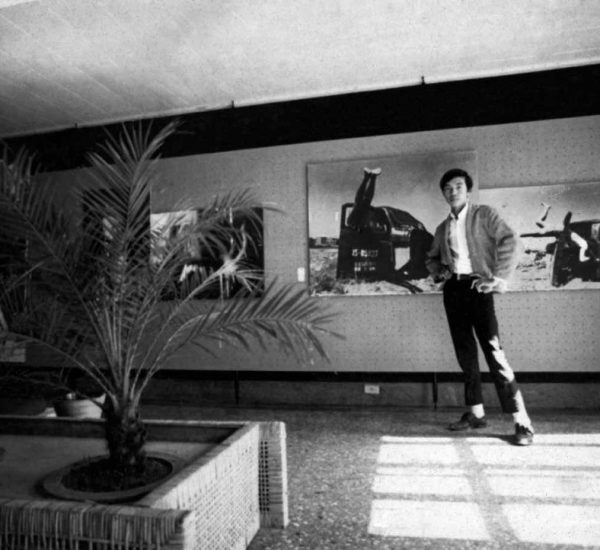
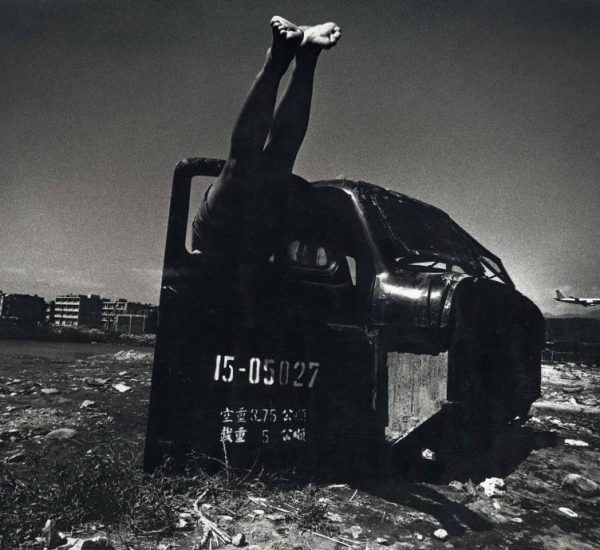
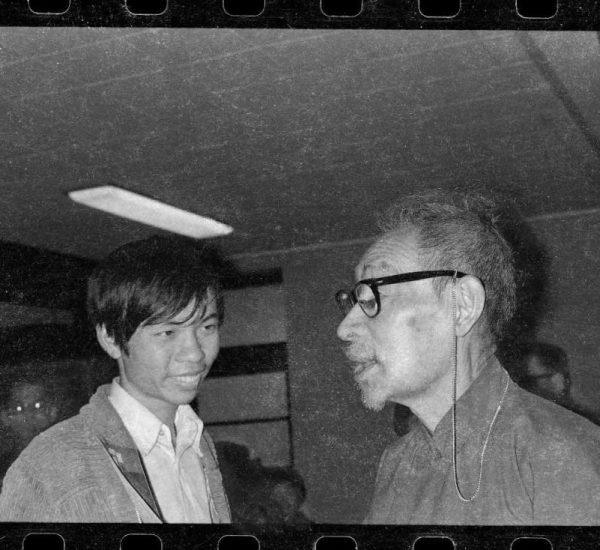
At nineteen, he held his first solo exhibition, The Riverbed, at the Seikosha Gallery in Taipei, earning the title of “Nineteen-Year-Old Green Hand” from the inaugural issue of Photography Century.
At twenty, he was drafted and served three years in Kinmen as a military photographer, enduring artillery bombardments from across the strait. His role also required photographing executions of prisoners—experiences that left an indelible imprint of “death rituals” on his artistic consciousness, shaping the recurring themes of endings and rebirth in his later works. Returning home after military service, he found his family’s farmland consumed by urban sprawl, unable to find the road back—becoming, in his words, a self-exiled witness.
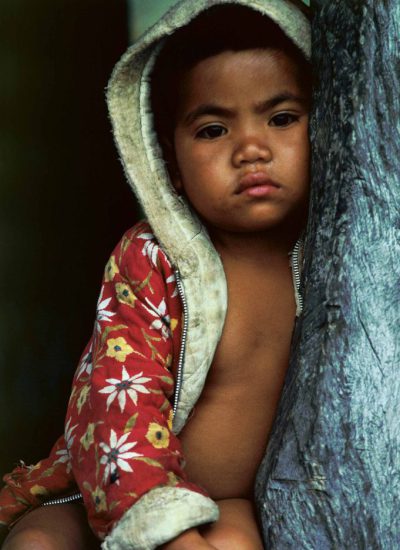
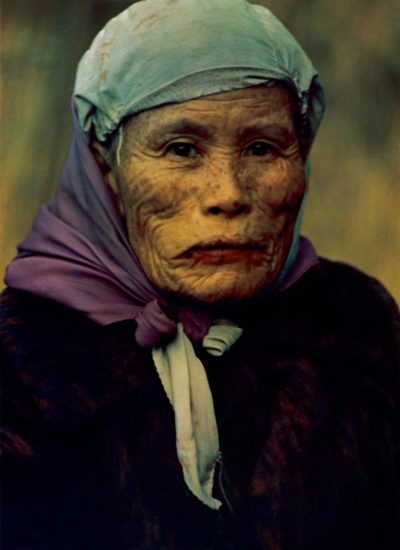
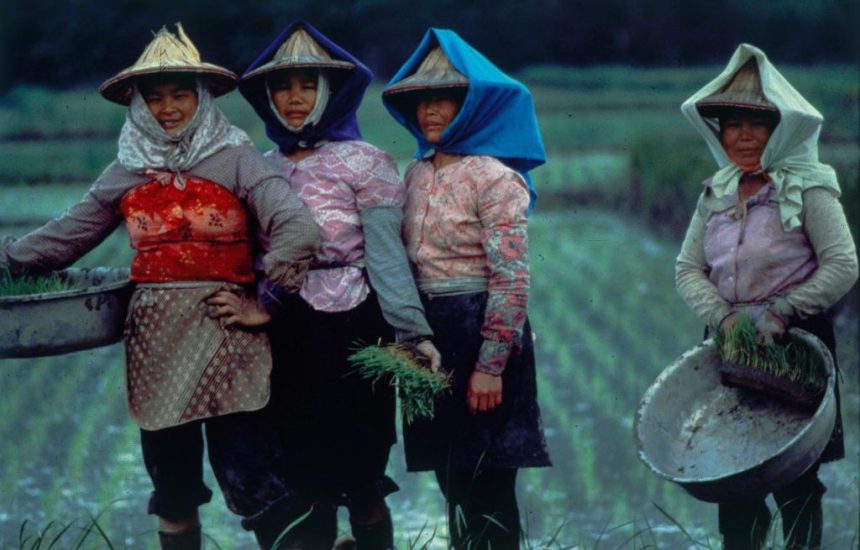
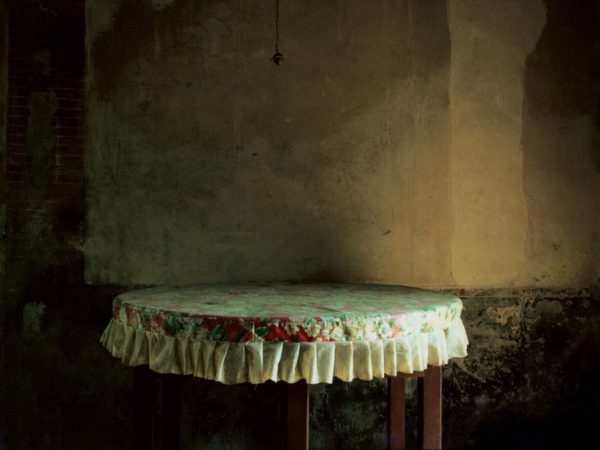
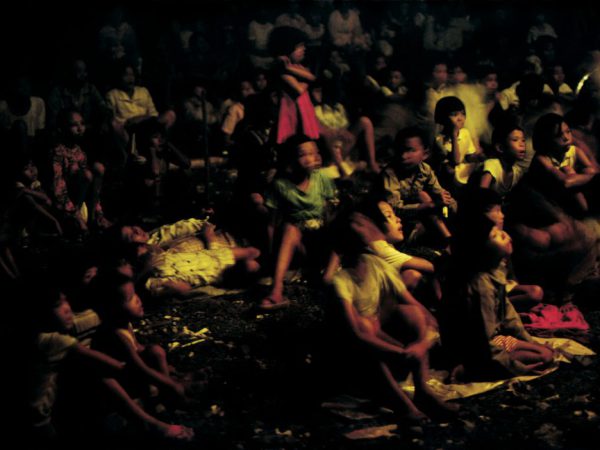
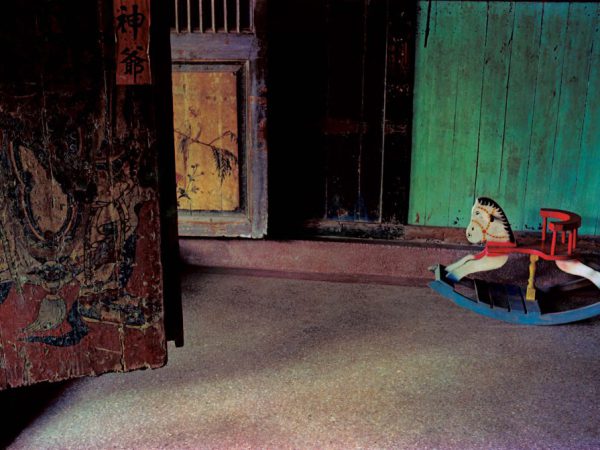
From the 1970s to the 1980s, he traveled across Taiwan’s villages and indigenous settlements for fifteen years, creating the documentary series Homeland. In the era of martial law and strict surveillance, his photographic activities often drew suspicion, resulting in interrogations and confiscated film. Despite this, Homeland—with its rich color aesthetics and poetic narrative— earned him the titles “Poet of Color” and “Poet of Images,” offering solace to a generation living through political unrest.
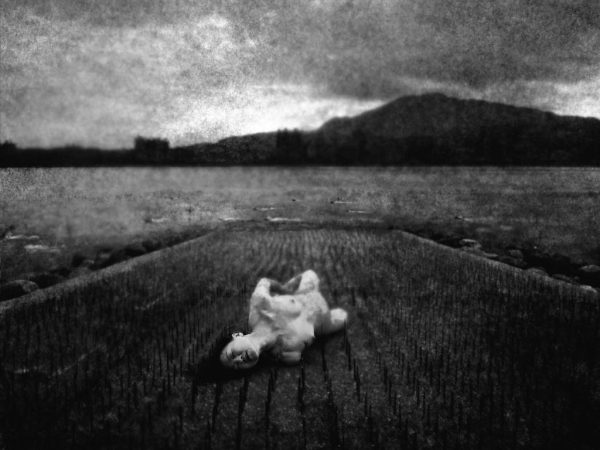
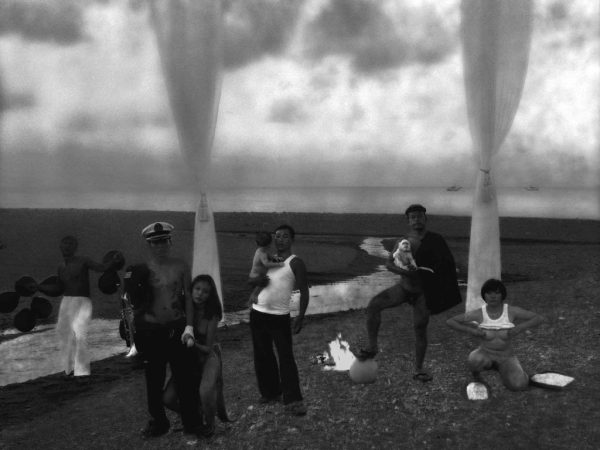
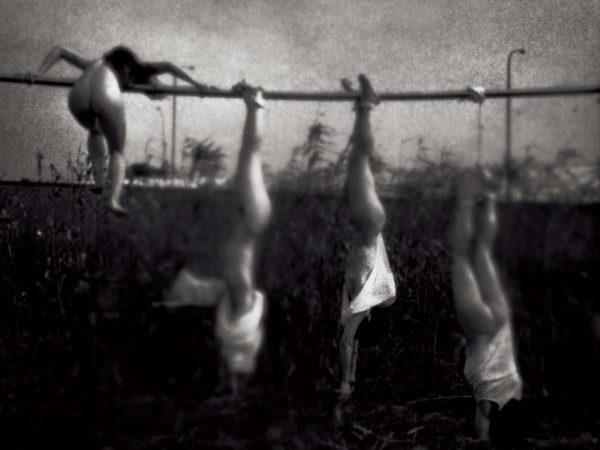
In 1987, Hsieh relocated to the industrial outskirts of Taipei—Sanchong and Luzhou—settling among migrant workers from Taiwan’s south. Again using “home” as his conceptual axis, he began the 24-year epic Sanchong Project, a staged photographic series chronicling the human cost of Taiwan’s rapid industrialization: families shattered by political violence, rural migrants coping with fractured kinship, sexual repression and release in ritual celebrations, and youth challenging entrenched social orders through emergent gender consciousness. Starting from hand-drawn storyboards, Hsieh assembled teams to produce images on a cinematic scale. The work culminated in RAW, presented in 2011 at the Venice Biennale as Feast of Chun-Te, combining photographic installation, spatial design, and culinary theatre.
Critics praised his audacity. Libération described it as “one of the most staggering performances in the history of the Biennale,” while curator Dominique Païni observed in his imagery “a world steeped in the atmosphere of a storm after the mistake, where the body becomes a site of punishment, humiliation, and ritual.”
As Joerg Bader, Director of the Centre de la Photographie Genève, wrote in 2011:
“Hsieh Chun-Te’s large photographic tableaux, staged like tableaux vivants, exude the storm-like anger of gods. Printed with deep blacks that resemble ink paintings, these images oscillate between focus and blur, realism and pictorialism, evoking both repulsion and fascination. Many unfold under the sign of Eros and Thanatos—ritualized ceremonies where desire and death intertwine. As Dominique Païni observed, their affinities reach toward Bataille and Goya, while their allegories reflect Taiwan’s rapid modernization and the dislocation of its rural life.”
French philosopher and historian of photography Monique Sicard, who later directed the
film Scenes and Dreams of Hsieh Chun-Te, offered another lens of interpretation. She reminded audiences that what many critics once dismissed as “sadistic photomontages” were, in fact, cinematic-scale realities—scenes staged with dozens of participants, trucks transporting sets, ancestral mansions transformed, swimmers imitating storyboard sketches. For Sicard, these were not manipulations of images but living rituals, blurring photography and performance.
She discerned in Hsieh’s practice a profound attention to suffering, displacement, and history— whether in the Danshuei River series, where the river itself became a metaphor for the victims of the 1947 February 28 Incident, or in his reinterpretations of abandoned beliefs and fractured family ties among Taiwan’s migrant communities. “The other is just an other, simple as that,” she concluded, situating Hsieh’s art not in exotic spectacle, but in its unflinching proximity to the realities of Taiwan’s modern condition.
Hsieh’s practice spans portraiture, documentary, staged photography, advertising, music video and documentary direction, stage design, poetry, installation, fashion, culinary theatre, multimedia, and digital art—making him one of Taiwan’s most versatile contemporary artists.
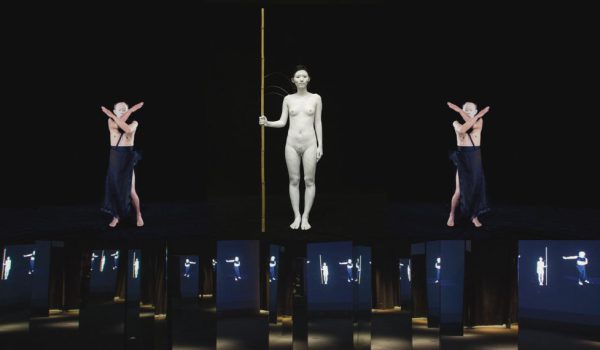
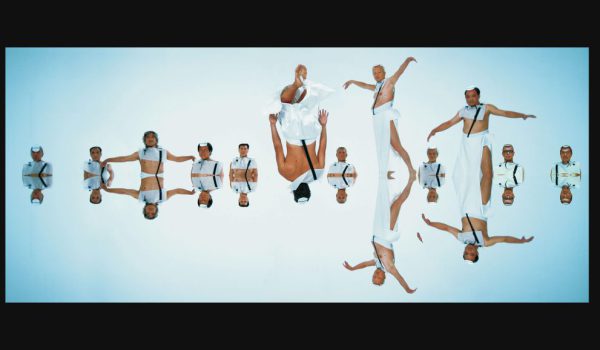
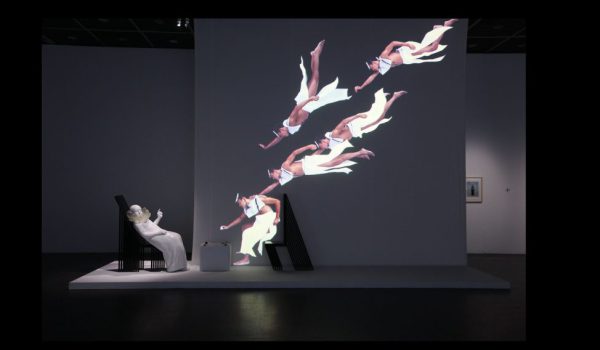
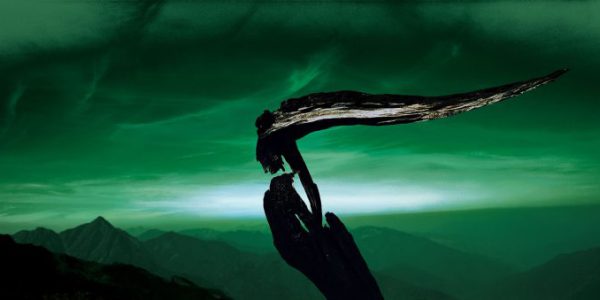
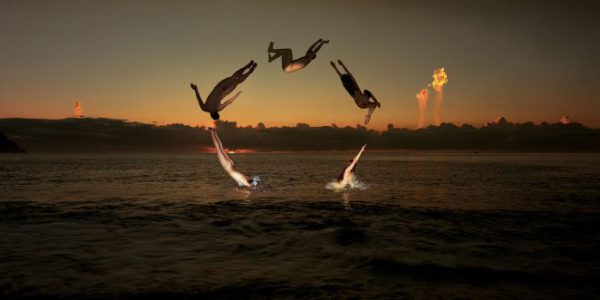
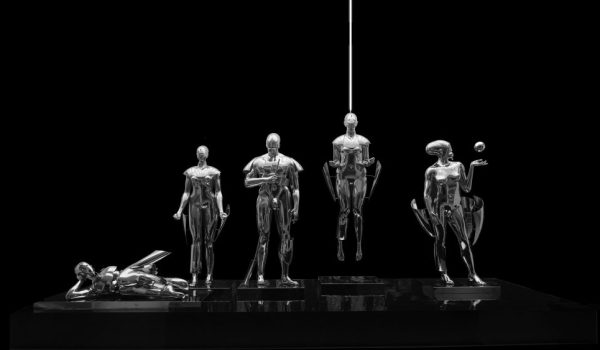
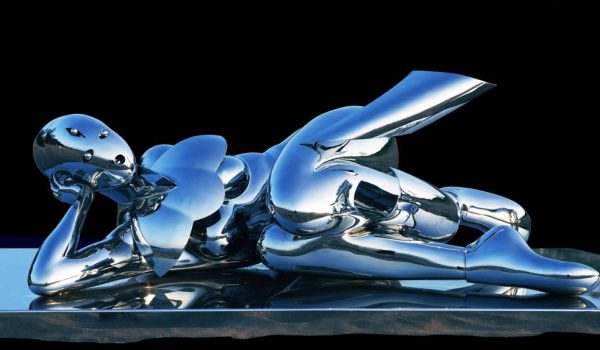
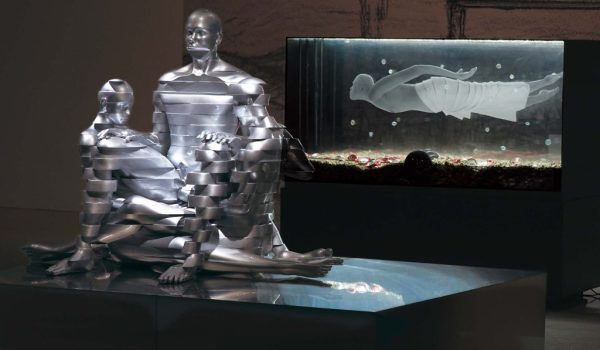
In recent years, he has been immersed in an eighteen-year epic, Parallel Universe, comprising Part 1 Celestial Fire, Part 2 Brave New World, and Part 3 Time’s Blood—a meditation on the soul’s return and the essence of “home.” From 2012 to 2017, Hsieh was one of three photographers selected for the CNRS (Institut des Textes et Manuscrits Modernes) research program Genesis of the Image, led by Monique Sicard. Over three years, the team produced a documentary on Hsieh’s creative background and process, completed in 2014.
From Homeland to Sanchong, from Feast of Chun-Te in Venice to Parallel Universe in Taipei, Hsieh Chun-Te continues to confront the indifference of his era through a poetic visual language, transforming personal history and Taiwan’s collective memory into an art epic spanning half a century.
Chronology
1949
Born in Taichung City, Taiwan
1965
Studied Textile Department at Shalu Vocational High School, Taichung County (incomplete)
1965
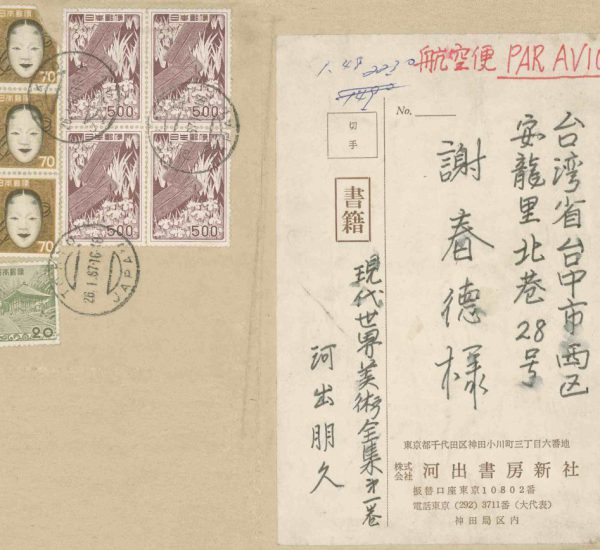
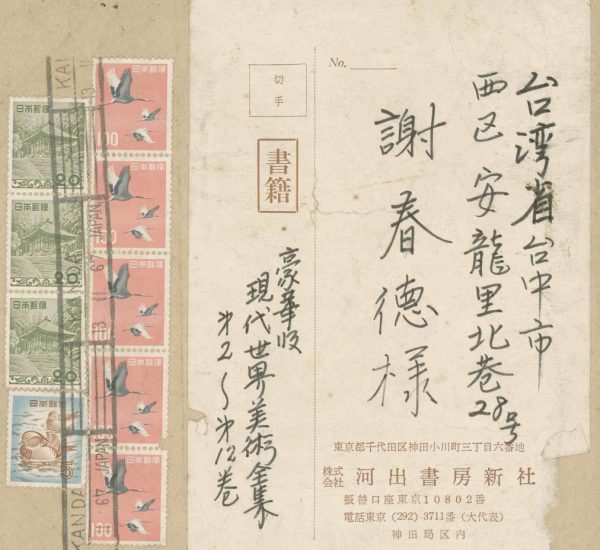
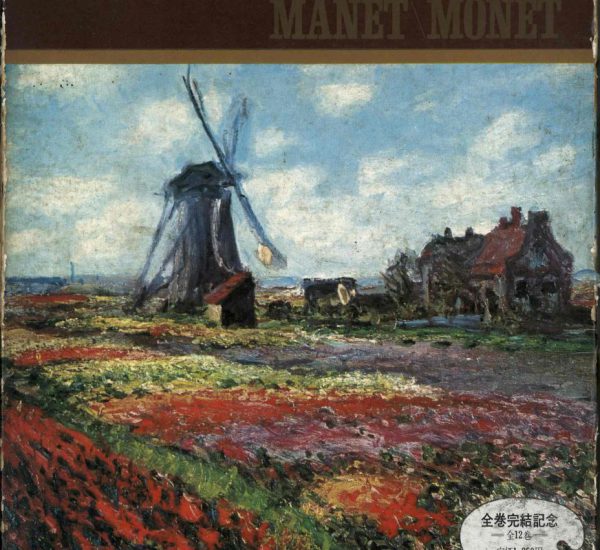
Wrote to Kawade Tomohisa, publisher of Kawade Shobo Shinsha in Japan, requesting a complete set of the Modern World Art Series. He generously sent me all 12 volumes.
Through his kindness and gift, my artistic world expanded immensely
1966
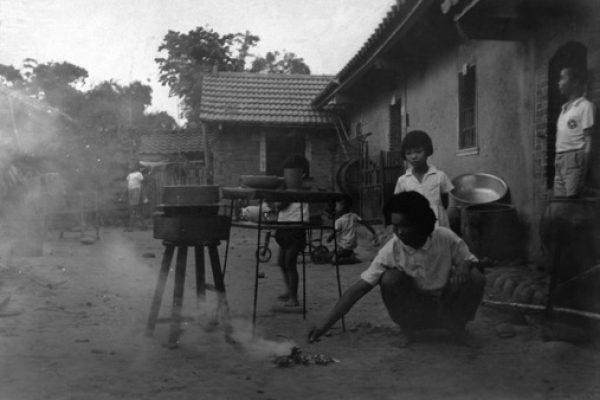
With my mother’s prayers offered to heaven, I left my hometown for Taipei, vowing to change the world through art.
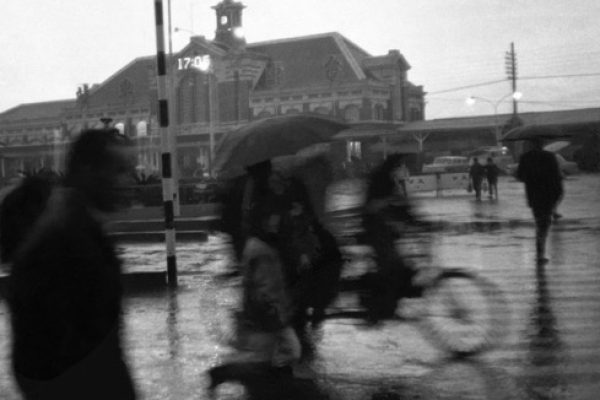
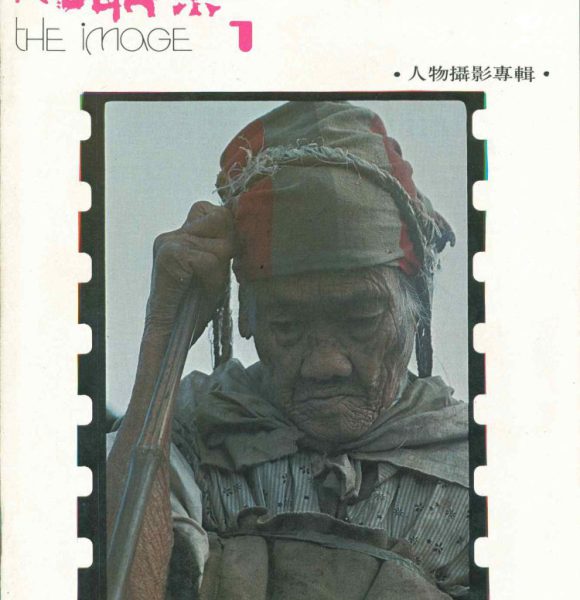
1976
Founded THE IMAGE Magazine
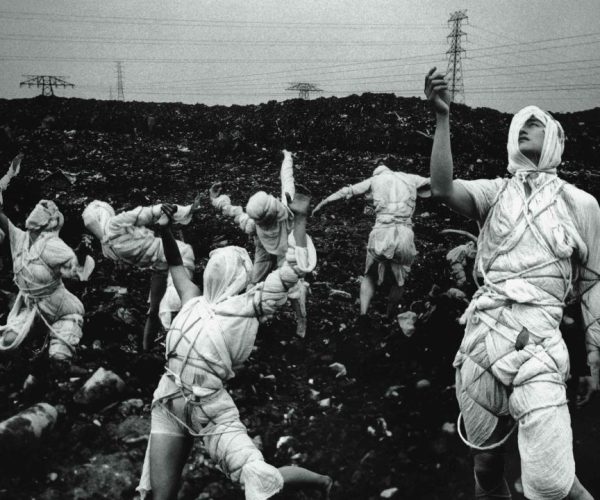
1975–2001
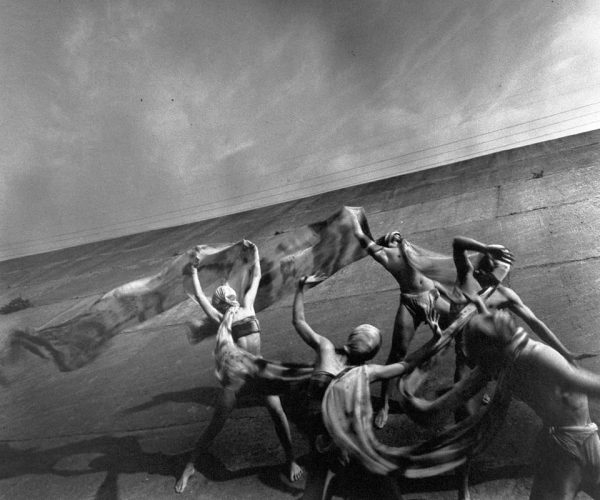
Stage photography for performance groups including:
Cloud Gate Dance Theatre, Lanling Theatre Workshop, Ya Yin Ensemble, Contemporary Legend Theatre,
Tai Gu Tales Dance Theatre, Halo Dance Troupe, U-Theatre, and Performance Workshop
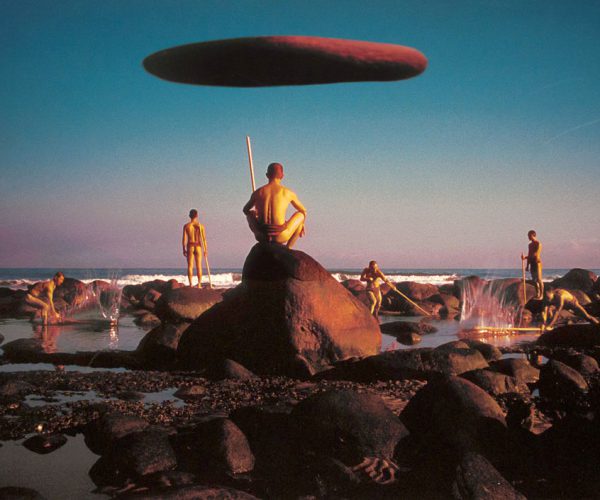
1974–2000
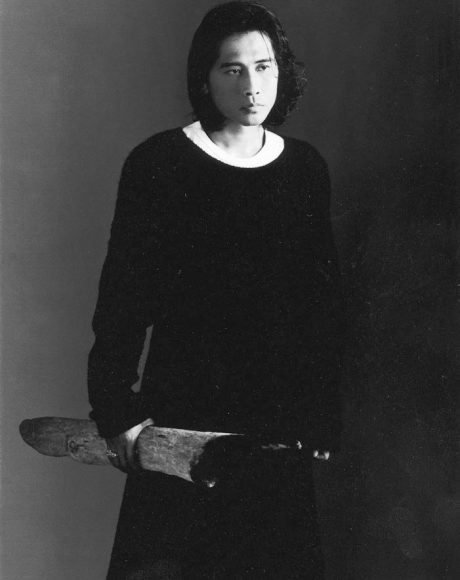
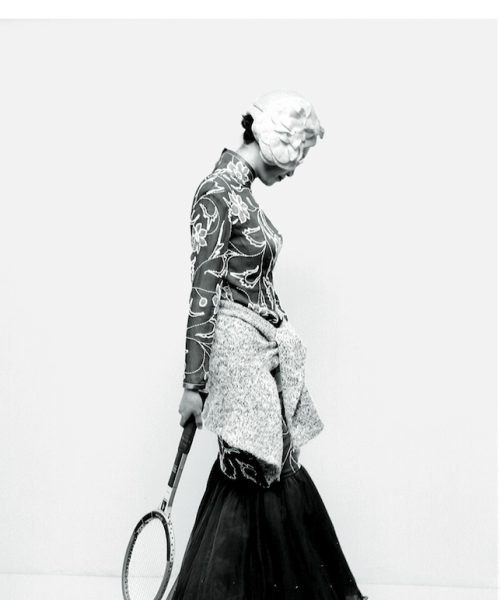
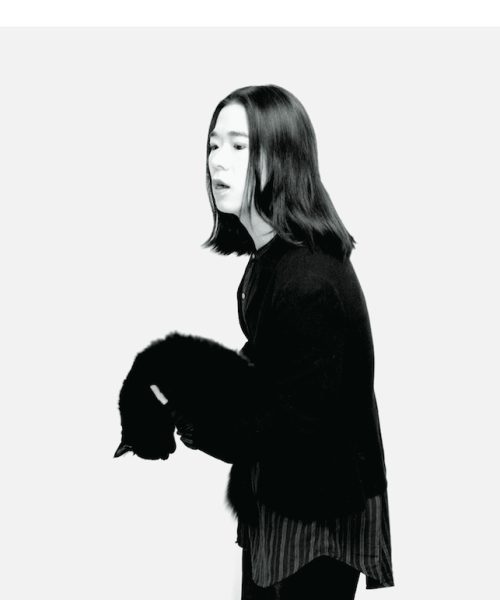
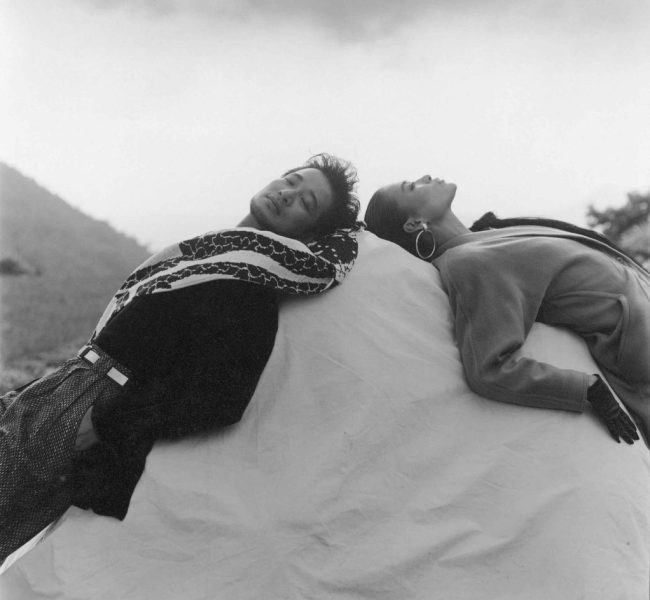
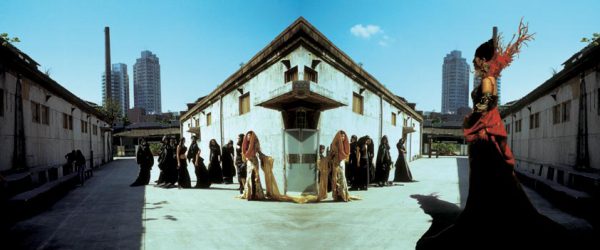
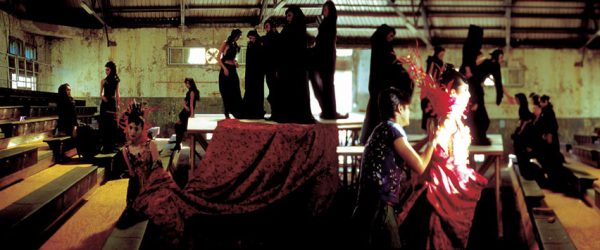
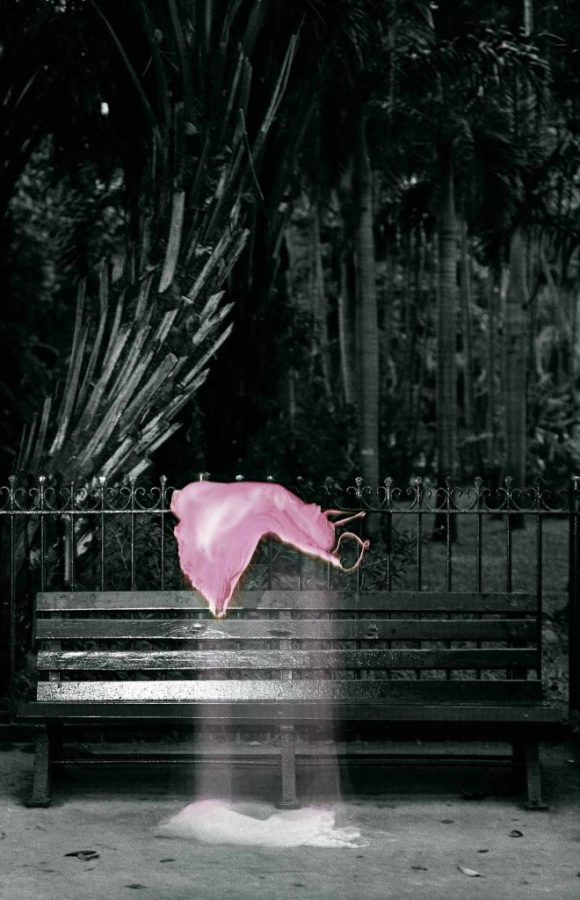
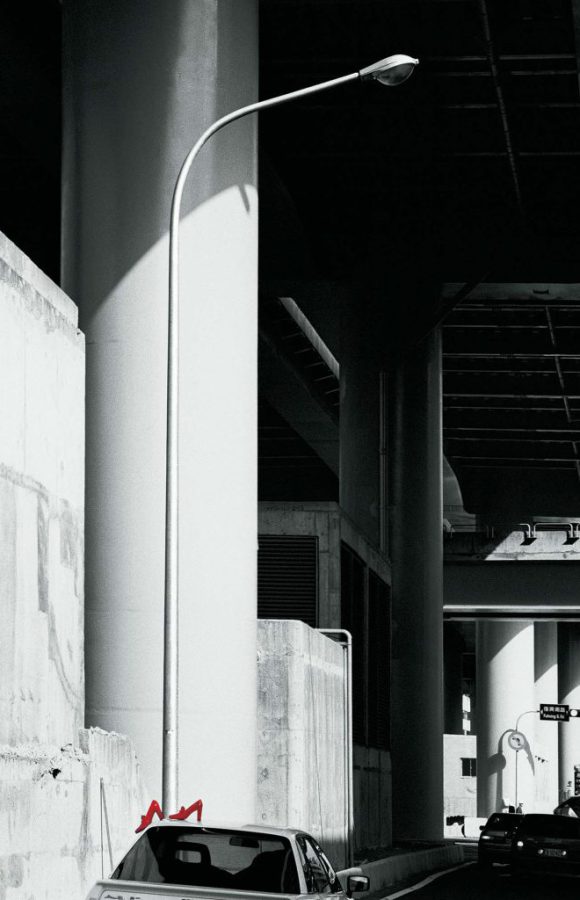
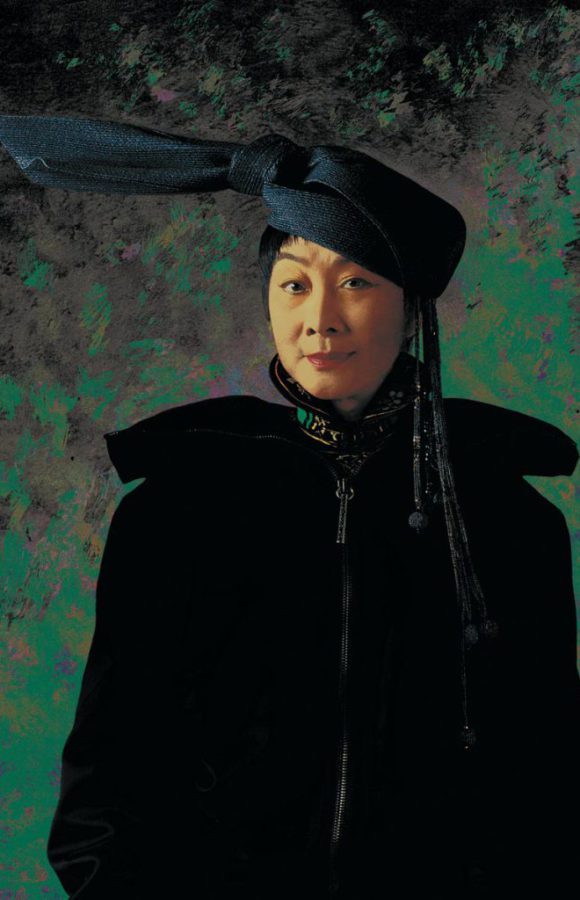
Fashion photography
1992–1994
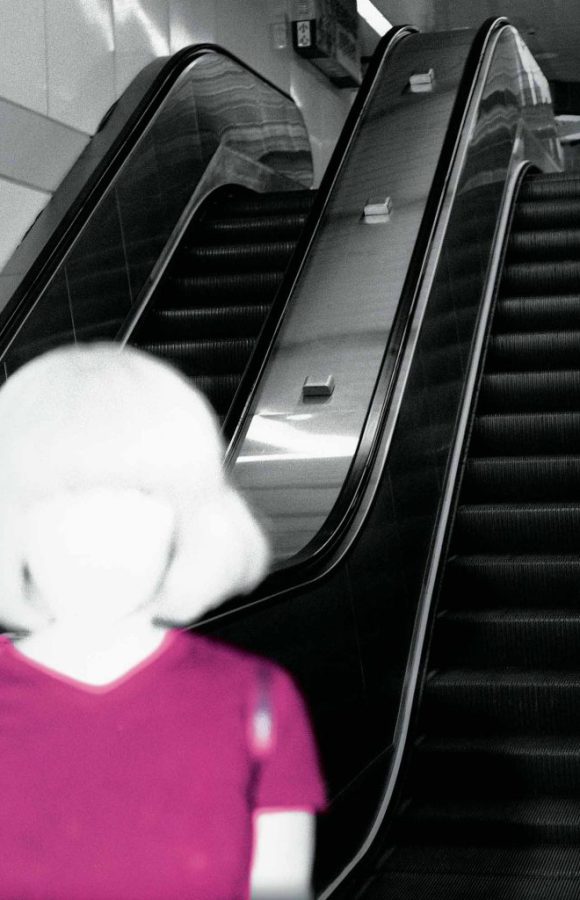
Produced and directed music videos, television commercials, and print advertisements.
1981–2001
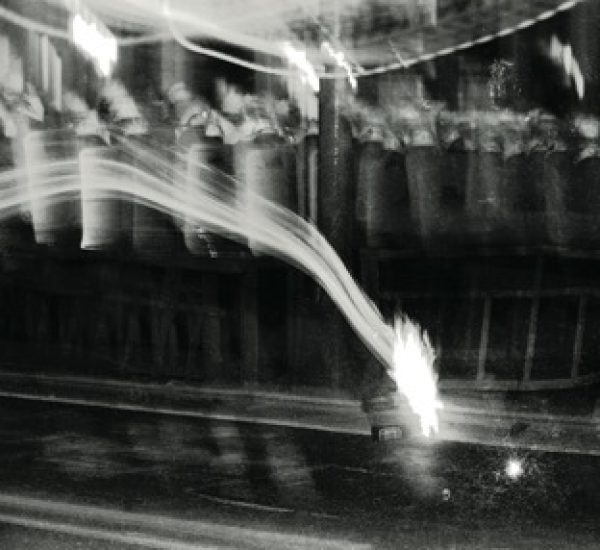
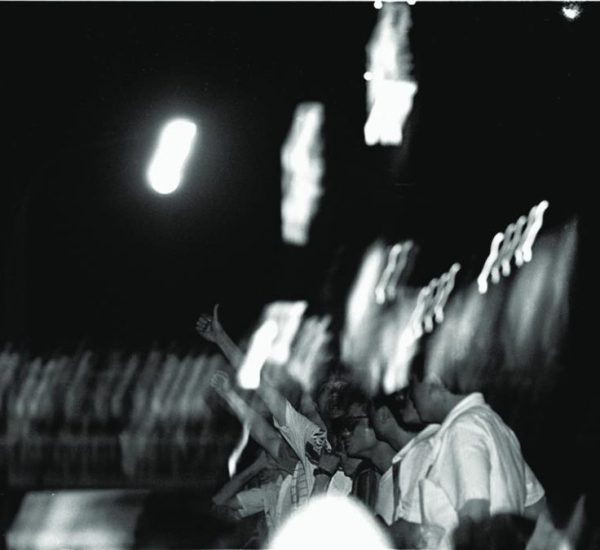
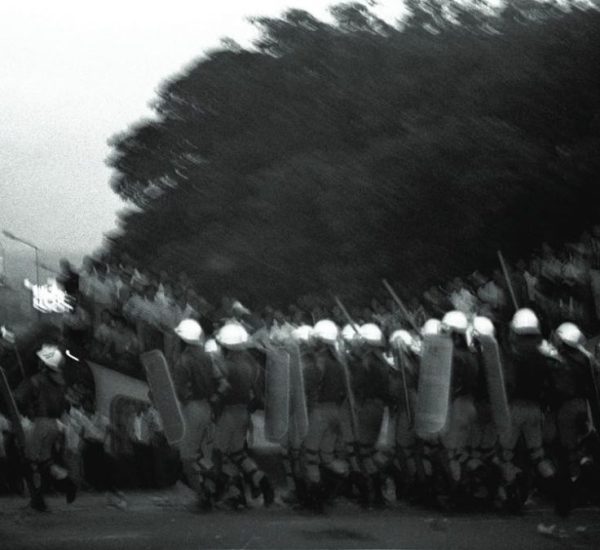
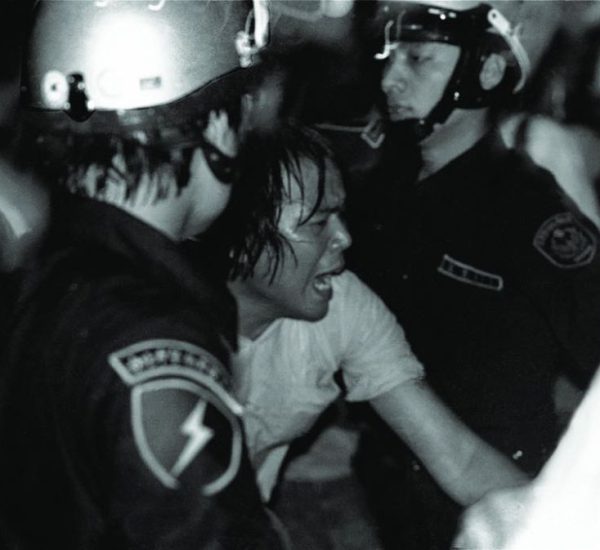
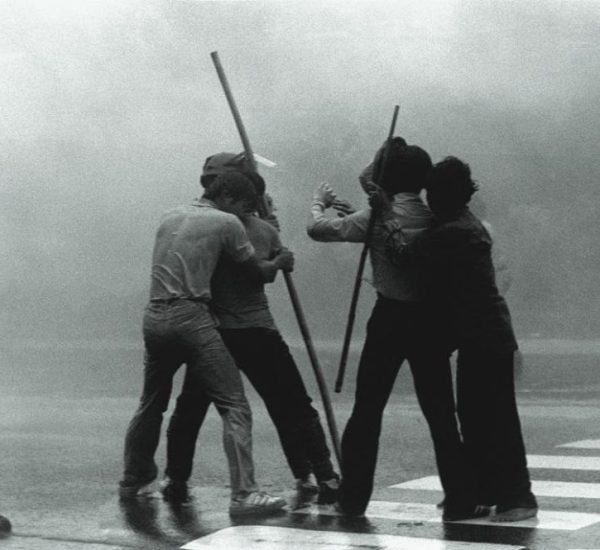
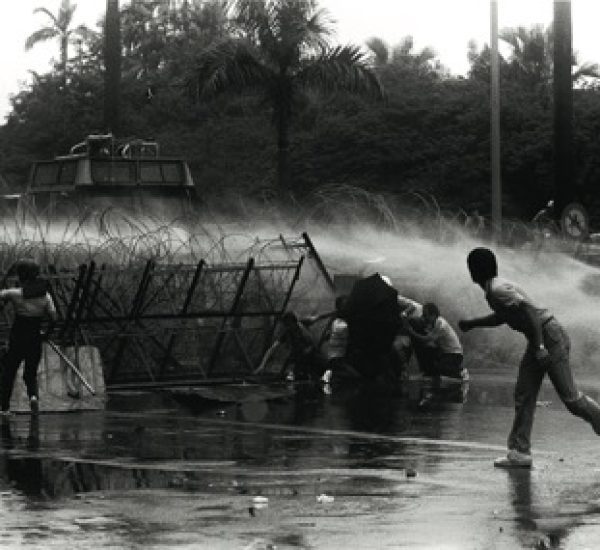
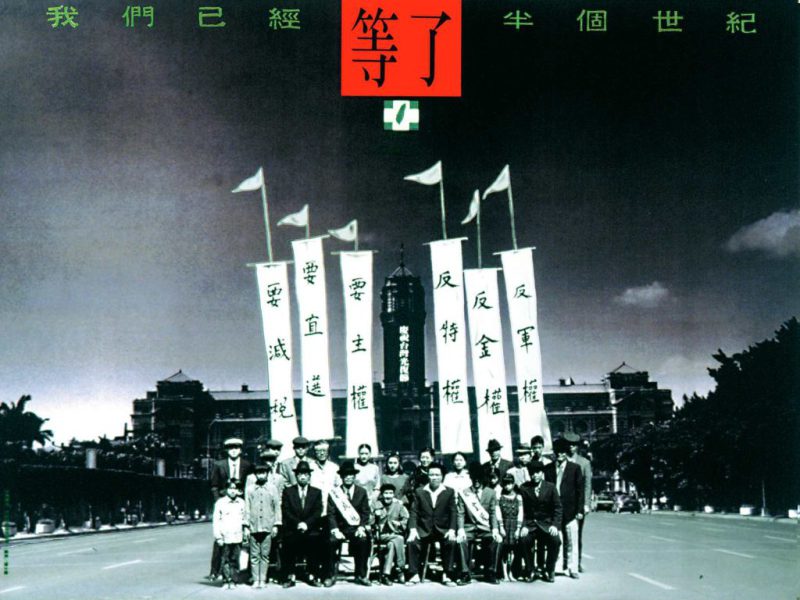
From the Tangwai (“outside the party”) period onward, produced and designed campaign materials for opposition candidates, before the founding of the Democratic Progressive Party (DPP).
2002–2008
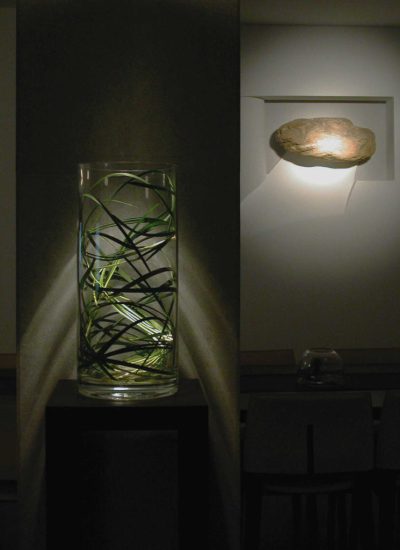
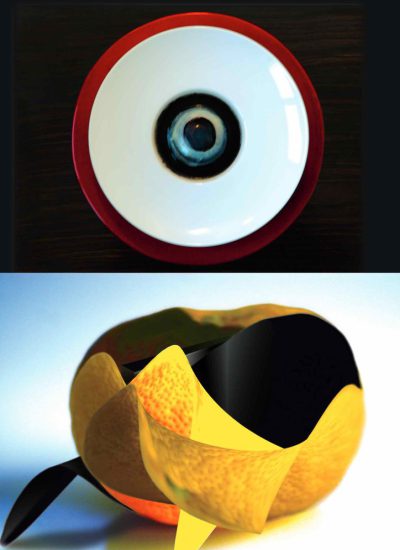
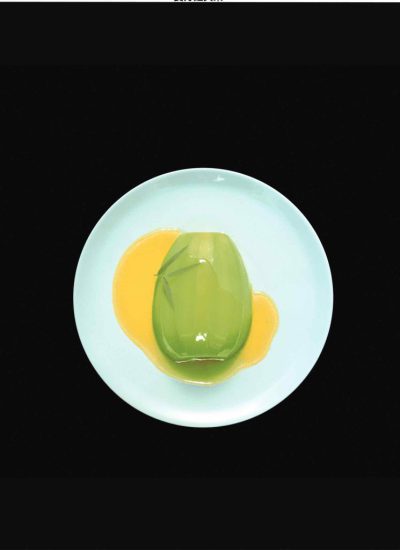
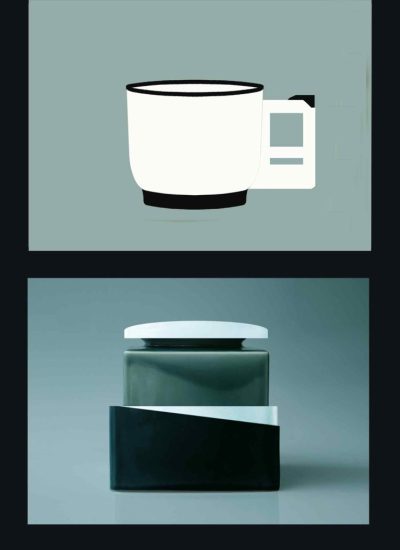
Co-founded Cestbon Restaurant with friends, serving as culinary director, spatial designer, and tableware designer.
2008 Cestbon Restaurant was selected by Phaidon as one of the “100 Best New Restaurants i0n the World.”
2012–2017
Selected by the French National Centre for Scientific Research (CNRS) as one of three principal photographers in the research project Genesis of the Image.
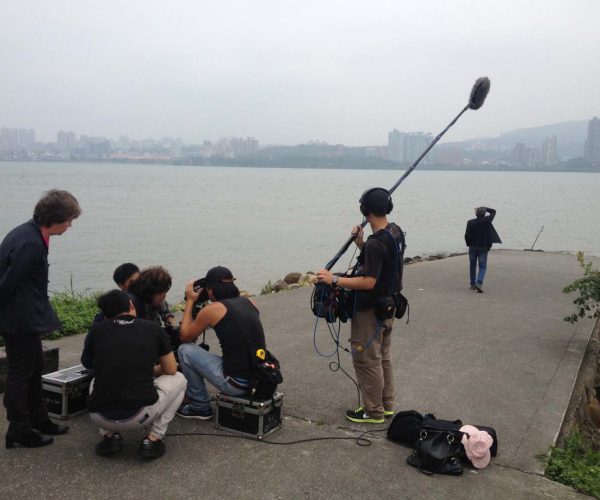
Project director Monique Sicard led a production team to Taiwan in 2012 to film a documentary on Hsieh Chun-Te. The three-year project was completed in 2014
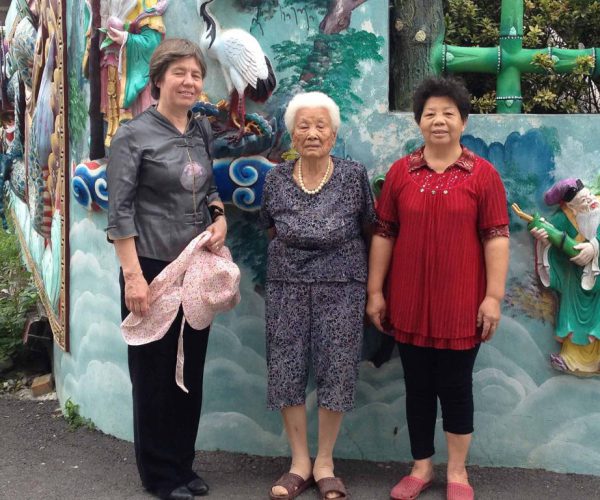
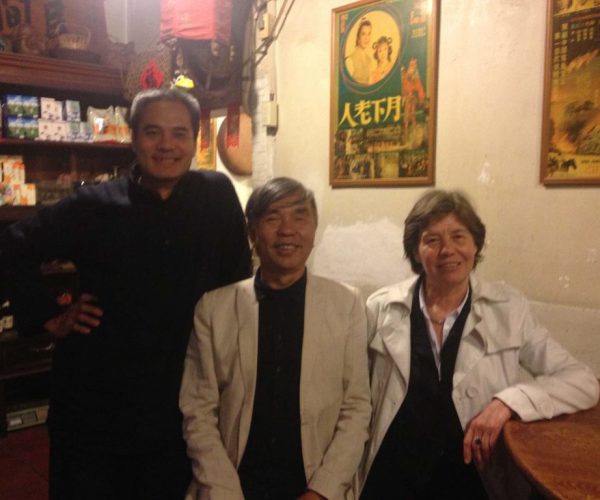
2012 – Monique Sicard in Taiwan
Philosopher and historian of photography, Monique Sicard, visited Taiwan with her team to document the work of Hsieh Chun-Te as part of the CNRS project.
1969
First Solo Photography Exhibition Midnight · Riverbed (Seikosha Gallery, Taipei)
1975
Second Solo Photography Exhibition Classical Association (Lincoln Center, United States Information Service, Taipei) (Provincial Library, Taichung)
(United States Information Service, Tainan)
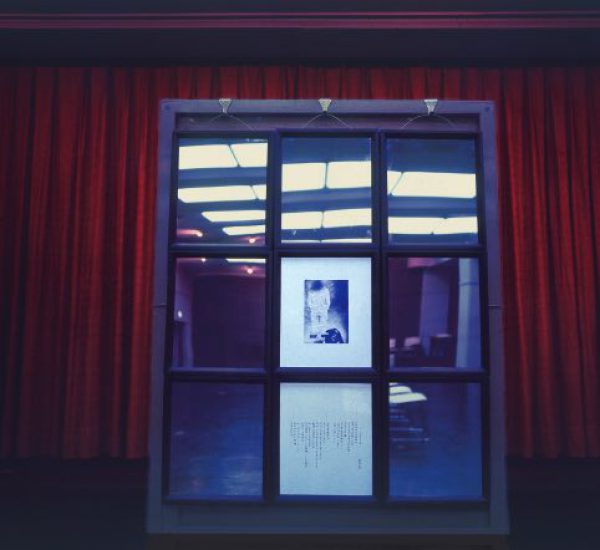
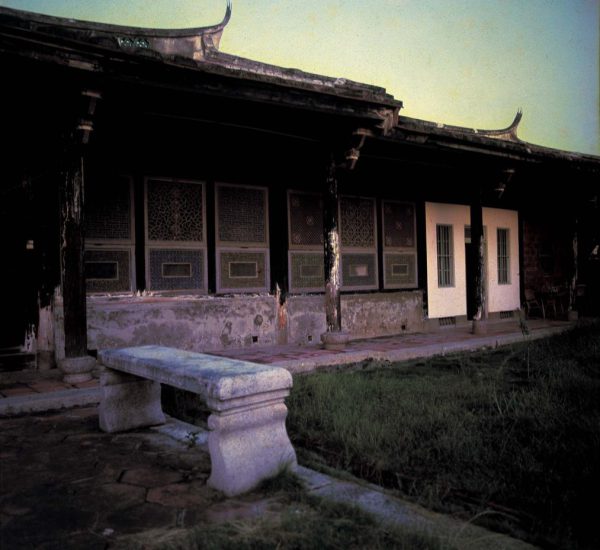
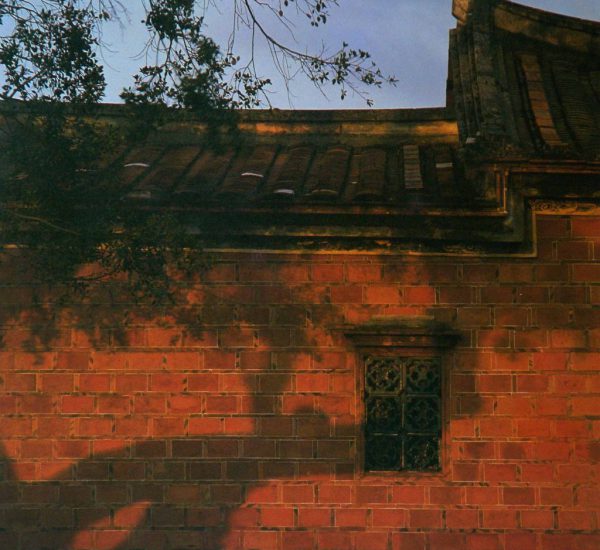
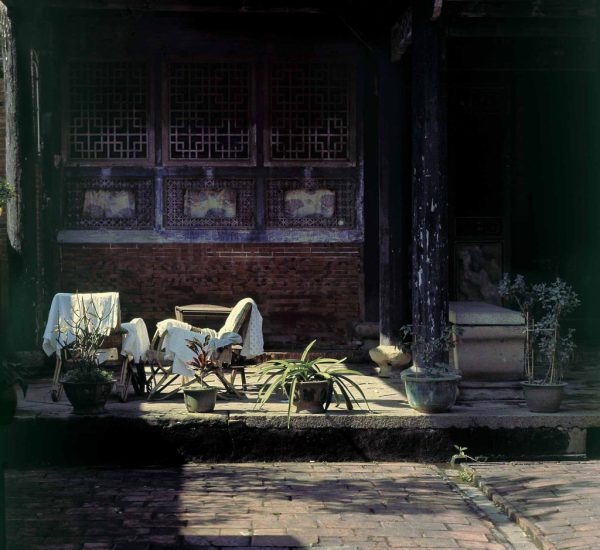
1979
Third Solo Photography Exhibition My Land, My People (Spring Gallery, Taipei)
(Taichung City Cultural Center) (American Cultural Center, Kaohsiung)
1986
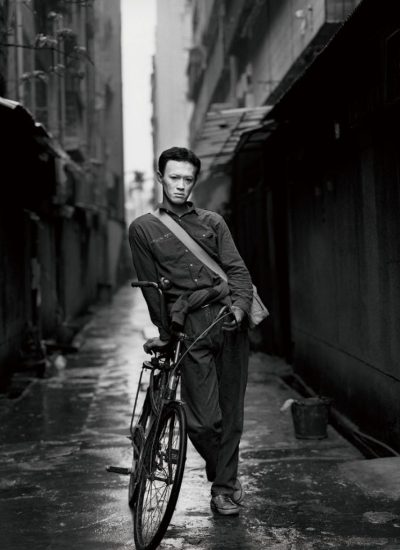
Fifth Solo Photography Exhibition Faces of Our Time (Spring Gallery, Taipei)
(Taoyuan County Cultural Center) (Taichung City Cultural Center)
(Tainan City Cultural Center)
(Chung Cheng Cultural Center, Kaohsiung)
1988
Sixth Solo Photography Exhibition Homeland (Lion Art Gallery, Taipei)
2002
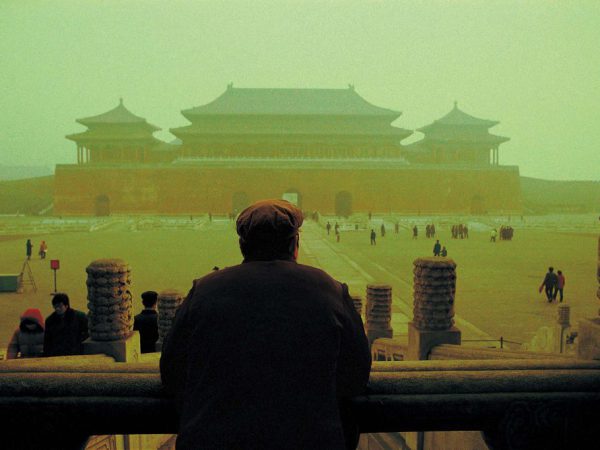
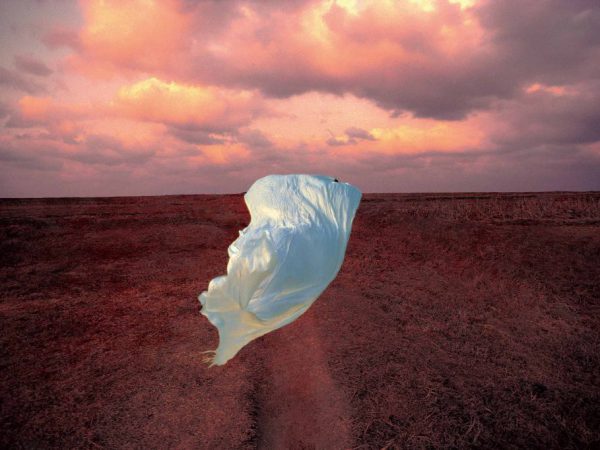
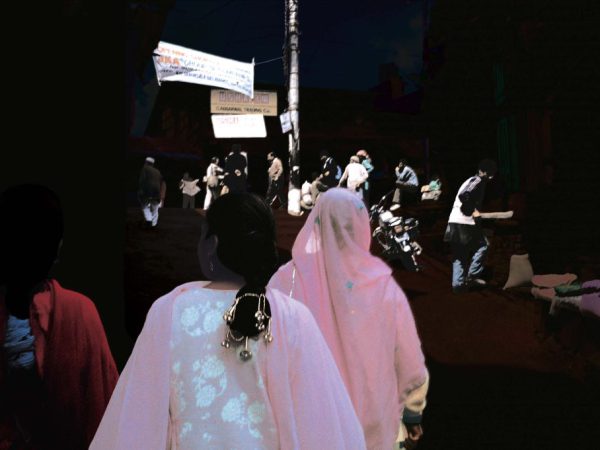
Seventh Solo Photography Exhibition None-Zone Moving (Eslite Bookstore, Dun-Nan, Taipei)
(Eslite Bookstore, Hsinchu) (Eslite Bookstore, Taichung) (Eslite Bookstore, Tainan) (Eslite Bookstore, Kaohsiung
2011
The 54th Venice Biennale Chun-Te’s Feast(RAW)
2016
Parallel Universe Series – Brave The World (Museum of Contemporary Art, Taipei)
2018
Parallel Universe Series – Ten-Ka
(Museum of National Taipei University of Educatio
2021
Final Chapter of Parallel Universe Series –NEXEN (National Taiwan Museum of Fine Arts, Taichung)
2022
Final Chapter of Parallel Universe Series – NEXEN